
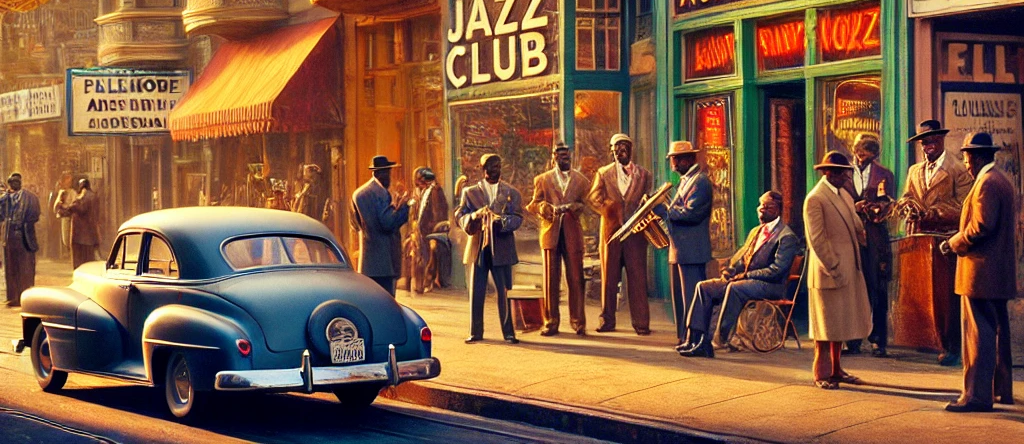
San Francisco’s Fillmore District, often referred to as the “Harlem of the West,” was once a thriving hub of Black entrepreneurship, culture, and community. During the mid-20th century, the Fillmore District became a beacon of hope and opportunity for African Americans migrating to the West Coast in search of better lives. However, this vibrant community faced significant challenges, including urban renewal efforts that displaced much of its population and dismantled its economic foundation. This article explores the rise of the Fillmore District as a Black economic and cultural center, its contributions to music and business, and the impact of urban renewal on this historic neighborhood.
The Rise of the Fillmore District
The Fillmore District’s transformation into a thriving African American community began during World War II. As the war industry boomed, thousands of African Americans migrated to San Francisco to work in shipyards and factories. The Fillmore District, with its affordable housing and central location, became a natural gathering place for these new residents. By the 1940s, the neighborhood was a bustling center of Black life, culture, and commerce.
A Haven for Black Migrants
The Great Migration, which saw millions of African Americans move from the South to urban centers in the North and West, played a significant role in shaping the Fillmore District. Many Black migrants were drawn to San Francisco by the promise of jobs and the chance to escape the racial violence and segregation of the Jim Crow South. The Fillmore District offered a sense of community and belonging, becoming a home away from home for many African Americans.
The Fillmore’s Economic Boom
The Fillmore District quickly became a center of Black entrepreneurship, with African American business owners establishing a wide range of enterprises. From restaurants and nightclubs to barbershops and insurance companies, the Fillmore was a self-sustaining community that catered to the needs of its residents. The district’s economic success earned it the nickname “Black Wall Street of the West,” a testament to the resilience and ingenuity of its residents.
A Cultural Mecca: The Fillmore’s Music Scene
The Fillmore District was not only a center of economic activity but also a cultural mecca that nurtured some of the most influential musicians of the 20th century. The neighborhood’s vibrant music scene played a crucial role in shaping the sound of jazz, blues, and R&B.
The Fillmore’s Legendary Music Venues
The Fillmore District was home to numerous music venues that hosted legendary performers. Clubs like the Fillmore Auditorium, Jimbo’s Bop City, and the Blue Mirror became iconic destinations for music lovers. These venues showcased the talents of artists such as Billie Holiday, Duke Ellington, and John Lee Hooker, helping to establish the Fillmore as a center of musical innovation.
The Jazz Scene: A Soundtrack for the Community
Jazz was the heartbeat of the Fillmore District, providing a soundtrack for the community’s daily life. Local musicians and touring artists alike performed in the neighborhood’s clubs, creating a vibrant and dynamic music scene. The Fillmore’s jazz culture was not just about entertainment; it was a form of expression and resistance, reflecting the struggles and triumphs of the African American experience.
The Fillmore’s Influence on West Coast Jazz
The Fillmore District played a pivotal role in the development of West Coast jazz, a subgenre characterized by its cool, laid-back sound. Musicians such as Dexter Gordon and Dave Brubeck honed their craft in the Fillmore, contributing to the evolution of jazz and influencing generations of artists. The neighborhood’s music scene left an indelible mark on American culture, shaping the sound of modern music.
Black-Owned Businesses: The Backbone of the Fillmore
The Fillmore District’s economic success was driven by its Black-owned businesses, which provided essential goods and services to the community. These enterprises were more than just businesses; they were symbols of resilience and self-reliance.
The Booker T. Washington Hotel: A Community Landmark
The Booker T. Washington Hotel, opened in 1926, was one of the Fillmore District’s most iconic establishments. The hotel provided lodging for African American travelers who were often denied accommodations in other parts of the city. It also served as a gathering place for the community, hosting events and meetings that fostered a sense of unity and pride.
Marcus Books: A Cultural Institution
Marcus Books, founded in 1960, was the oldest Black-owned bookstore in the United States. Located in the Fillmore District, the bookstore became a cultural institution, offering a wide selection of books by and about African Americans. Marcus Books was more than just a place to buy books; it was a space for learning, discussion, and empowerment.
The Fillmore’s Black-Owned Restaurants
The Fillmore District was home to numerous Black-owned restaurants that served as gathering places for the community. Establishments like Sam Jordan’s Bar and Grill and New Chicago Bar-B-Q offered delicious food and a welcoming atmosphere, becoming beloved fixtures in the neighborhood. These restaurants were not just places to eat; they were centers of community life.
🏗️ Urban Renewal and the Displacement of the Fillmore District
Once known as the “Harlem of the West,” San Francisco’s Fillmore District was a thriving hub of Black culture, commerce, and jazz. By the early 1950s, it boasted over 800 Black-owned businesses, including legendary venues like Jimbo’s Bop City, where icons like Billie Holiday, Charlie Parker, and Thelonious Monk performed into the early morning hours. But beneath the rhythm and resilience, a storm was brewing—one that would permanently reshape the neighborhood.
The Machinery of Redevelopment
In 1959, the San Francisco Redevelopment Agency launched its A-1 and A-2 redevelopment plans, targeting the Fillmore under the guise of eliminating “urban blight.” Backed by federal funding through the Urban Renewal Act of 1949, the city condemned large swaths of the neighborhood, invoking eminent domain to seize homes and businesses. Over 4,700 households were displaced, and more than 2,500 businesses were shuttered.
Among those lost were Sam Jordan’s Bar, one of the oldest Black-owned establishments in the city, and Mel’s Record Shop, a cornerstone for local musicians. Eureka Junior High School, which had served generations of Black students, was closed and demolished. In its place rose luxury condos, chain stores, and high-end boutiques—none of which reflected the community that once stood there.
Cultural Erasure and Economic Fallout
The Fillmore’s jazz scene collapsed almost overnight. Jimbo’s Bop City was razed. Club Alabam, Texas Playhouse, and Cafe Society—all gone. The economic ecosystem that had supported Black families, entrepreneurs, and artists was dismantled, replaced by developments that catered to wealthier, whiter demographics. Today, businesses like State Bird Provisions and Wise Sons Jewish Delicatessen thrive in the area, symbols of a gentrified Fillmore that bears little resemblance to its past.
Resistance and Remembrance
Despite the devastation, Fillmore residents didn’t go quietly. Groups like the Western Addition Community Organization (WACO) mounted legal challenges, winning one of the first community victories against redevelopment in U.S. history. Though many promises of restitution went unfulfilled, the fight laid groundwork for future advocacy.
Today, institutions like the African American Art & Culture Complex and the Fillmore Heritage Center work to preserve what remains of the district’s legacy. But the scars of redevelopment are still visible—in the fractured community, the lost generational wealth, and the silence where jazz once roared.
The Fillmore District Today: A Legacy of Resilience
While the Fillmore District has faced significant challenges, the neighborhood remains a vital part of San Francisco’s cultural and historical landscape. Today, the Fillmore is experiencing a resurgence, with new businesses, cultural initiatives, and community organizations working to honor its rich history and promote economic development.
The Fillmore Jazz Festival: Celebrating Culture
The Fillmore Jazz Festival, held annually, is one of the largest free jazz festivals in the United States. The festival celebrates the neighborhood’s musical heritage with performances by local and international artists. The Fillmore Jazz Festival attracts thousands of visitors each year, highlighting the enduring vibrancy of the Fillmore District.
The African American Art & Culture Complex: A Hub for Creativity
The African American Art & Culture Complex, located in the Fillmore District, is a center for artistic expression and community engagement. The complex offers a wide range of programs, including art exhibitions, theater performances, and educational workshops. It serves as a space for African American artists to showcase their work and for the community to come together.
The Renewal of Black Business in the Fillmore
In recent years, there has been a renewed focus on supporting Black-owned businesses in the Fillmore District. Initiatives such as the Fillmore Business District aim to revitalize the neighborhood’s economy by providing resources and opportunities for entrepreneurs. From restaurants and retail shops to art galleries and tech startups, the Fillmore is once again becoming a hub of innovation and creativity.
Final Thoughts: Celebrating the Fillmore District’s Legacy and Looking to the Future
The Fillmore District stands as a testament to the resilience, creativity, and determination of the African American community. From its rise as a center of Black prosperity during the mid-20th century to its contributions to music and culture, the Fillmore has left an indelible mark on American history. Today, the neighborhood continues to honor its rich legacy while embracing new opportunities for growth and development. As we celebrate the achievements of the Fillmore District, we are reminded of the importance of preserving and supporting communities that have shaped our nation’s cultural and economic landscape.
For more information on the history of the Fillmore District and its impact on American culture, visit The Fillmore Heritage Center and The San Francisco African American Historical & Cultural Society. These resources offer valuable insights into the stories and contributions of African Americans who have shaped our world.